


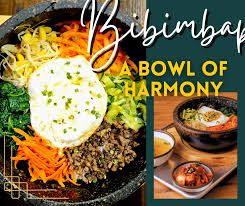
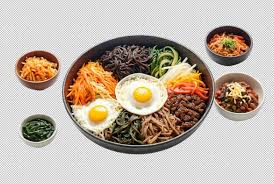
Korean cuisine is known for its bold flavors, balance of nutrition, and colorful presentation. Among its most popular dishes is Bibimbap, meaning “mixed rice.” This wholesome meal features warm rice topped with an array of sautéed vegetables, marinated beef, fried egg, and spicy gochujang sauce, all stirred together before eating.
Korean Bibimbap – A Harmony in a Bowl
Cultural Background
Bibimbap has long been part of Korean royal and temple cuisine. It embodies the Korean philosophy of harmony—balancing flavors, textures, and colors in one bowl.
Ingredients (4 servings)
-
2 cups steamed white rice
-
200 g beef (sirloin or ribeye), thinly sliced
-
1 zucchini, julienned
-
1 carrot, julienned
-
1 cup spinach
-
1 cup bean sprouts
-
4 eggs
-
3 tablespoons sesame oil
-
2 tablespoons soy sauce
-
1 tablespoon sugar
-
2 cloves garlic, minced
-
2 tablespoons gochujang (Korean chili paste)
-
Sesame seeds for garnish
Preparation Steps
-
Prepare Vegetables: Blanch spinach and bean sprouts, season lightly with sesame oil and salt. Sauté zucchini and carrots until tender.
-
Cook Beef: Marinate beef with soy sauce, garlic, sugar, and sesame oil. Stir-fry until browned.
-
Cook Eggs: Fry eggs sunny-side up.
-
Assemble Bowls: Place rice in bowls. Arrange vegetables and beef neatly on top. Add egg at the center.
-
Serve with Gochujang: Add a spoonful of chili paste. Mix well before eating.
Nutritional Value
Bibimbap is a nutrient-rich dish: protein from beef and egg, fiber from vegetables, and healthy fats from sesame oil. It’s both balanced and satisfying.
Why It Stands Out
Bibimbap isn’t just food—it’s a cultural expression of harmony and wellness. Its vibrant colors and customizable toppings make it appealing to both traditionalists and modern food lovers.
More Stories from Food & Recipes

Food & Recipes Recipes
Turkish Baklava – A Sweet Symphony of Flavors

Food & Recipes Recipes