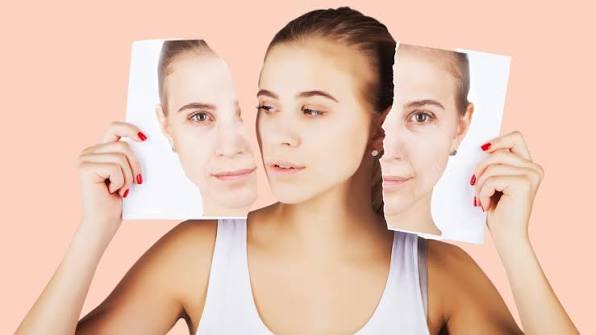


When it comes to beauty, many people focus primarily on creams, serums, and cosmetics. While topical care plays an important role, true radiance begins much deeper—within the body. The foods and nutrients we consume influence not only our overall health but also the condition of our skin, hair, and nails. A nutrient-rich diet can enhance elasticity, slow visible aging, strengthen hair, and prevent brittleness in nails, offering a foundation for lasting beauty.
This article explores the connection between nutrition and appearance, highlighting the key foods and lifestyle habits that support beauty from within.
Beauty From Within—How Nutrition Shapes Your Skin, Hair, and Nails
1. The Skin–Diet Connection
The skin is the body’s largest organ, and like all organs, it requires nourishment. A balanced diet provides vitamins, minerals, and antioxidants that protect against environmental damage, repair tissue, and regulate oil production. Conversely, poor eating habits—especially high sugar and processed foods—can accelerate wrinkles, breakouts, and dullness.
For example, diets high in refined carbohydrates increase glycation, a process where sugar molecules bind to collagen, making skin less firm and elastic. Choosing nutrient-dense whole foods helps slow these effects.

2. Hydration for Radiance
Dehydration is one of the fastest ways to dull the skin. Adequate water intake helps flush toxins, regulate temperature, and keep skin supple. Beyond water, foods like cucumbers, melons, and oranges also contribute to hydration.
Green tea is another excellent choice, as it provides hydration alongside antioxidants such as catechins, which protect skin against UV damage and inflammation.
3. Vitamins That Enhance Glow
Several vitamins are crucial for maintaining youthful, radiant skin:
-
Vitamin C: Essential for collagen production, this antioxidant brightens complexion and reduces pigmentation. Found in citrus fruits, strawberries, bell peppers, and broccoli.
-
Vitamin A: Promotes skin renewal and repair. Rich sources include carrots, sweet potatoes, and leafy greens.
-
Vitamin E: Protects cell membranes and prevents oxidative stress. Found in nuts, seeds, and avocados.
Incorporating these nutrients daily supports long-term skin health and resilience.
4. Omega-3 Fatty Acids for Elasticity
Omega-3s, found in fatty fish like salmon and plant-based sources such as flaxseeds and walnuts, play a vital role in maintaining the skin’s lipid barrier. This barrier locks in moisture, keeping skin hydrated and reducing sensitivity.
Research shows that diets rich in omega-3s are linked to fewer wrinkles and improved elasticity, making them a cornerstone of anti-aging nutrition.
5. Protein for Skin, Hair, and Nail Strength
Collagen, keratin, and elastin—the structural proteins that support beauty—are all made from amino acids found in dietary protein. Without sufficient protein, hair may become thin, nails brittle, and skin lose firmness.
Lean meats, eggs, legumes, and plant proteins like quinoa or lentils provide the building blocks necessary for repair and growth. Collagen supplements, often sourced from marine or bovine protein, have also gained popularity for supporting skin plumpness.
6. Minerals That Matter
Certain minerals directly influence beauty outcomes:
-
Zinc: Helps regulate oil production and accelerates wound healing, making it crucial for acne-prone skin. Sources include pumpkin seeds, chickpeas, and oysters.
-
Iron: A deficiency can lead to pale skin and brittle nails. Iron-rich foods include red meat, spinach, and beans.
-
Selenium: Works as an antioxidant that protects skin against sun damage. Brazil nuts are one of the richest sources.
7. Gut Health and Skin Clarity
An emerging area of research highlights the gut–skin axis. Imbalances in gut bacteria are linked to acne, eczema, and inflammation. Probiotic-rich foods such as yogurt, kefir, kimchi, and sauerkraut can support a healthy microbiome, improving both digestion and skin clarity.
Prebiotics—fibers that feed good bacteria—also play a role. Foods like garlic, onions, and bananas help maintain balance, ensuring nutrients are absorbed efficiently.
8. Foods to Limit for Better Skin
Certain dietary habits can sabotage beauty goals. Excess sugar contributes to glycation and breakouts, while high salt intake can lead to puffiness and dehydration. Trans fats, often found in processed snacks, may increase inflammation and compromise skin health.
Moderation is key. By reducing these foods, you allow nutrient-rich meals to take center stage in supporting natural beauty.
9. Lifestyle Complements
Nutrition is powerful, but results are amplified when combined with other healthy practices. Adequate sleep gives the body time to repair tissue. Regular exercise boosts circulation, ensuring nutrients and oxygen reach skin cells efficiently. Stress management is also critical, as chronic stress depletes antioxidants and triggers breakouts.
Together, these habits create a holistic foundation for beauty that extends beyond surface treatments.
10. Building a Sustainable Routine
The best approach to beauty nutrition is not extreme diets or temporary cleanses, but consistent habits. Aim for a colorful plate filled with fruits, vegetables, lean proteins, and healthy fats. Small, daily choices—such as replacing soda with water or adding an extra serving of greens—can make a significant long-term impact.
Final Thoughts
True beauty radiates from within, and nutrition plays a central role in supporting skin, hair, and nail health. By fueling your body with hydration, vitamins, minerals, and antioxidants, you build a natural glow that no cosmetic product can fully replicate.
Investing in what you eat is ultimately an investment in your appearance, confidence, and overall well-being. When combined with consistent skincare and balanced lifestyle practices, beauty from within becomes the most powerful and sustainable approach to looking and feeling your best.