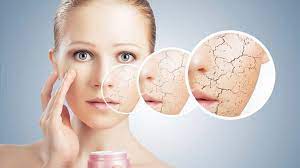


Healthy, radiant skin is more than a beauty trend—it is a reflection of overall wellness and consistent self-care. While countless skincare products promise instant transformations, the reality is that achieving a glowing complexion requires patience, the right routine, and healthy lifestyle choices. Whether you have dry, oily, combination, or sensitive skin, understanding your skin’s unique needs is the foundation of an effective skincare routine.
The skin is the body’s largest organ, acting as a protective barrier against environmental pollutants, harmful UV rays, and bacteria. Every day, your skin is exposed to factors that accelerate ageing, including sun exposure, stress, poor nutrition, and lack of sleep. These external and internal influences can contribute to wrinkles, uneven skin tone, dehydration, acne, and loss of elasticity. Fortunately, adopting healthy skincare habits can significantly improve skin health over time.
One of the most essential steps in any skincare routine is cleansing. Cleansing removes excess oil, makeup, dirt, and impurities that accumulate throughout the day. However, over-cleansing or using harsh cleansers can damage the skin barrier, leading to dryness and irritation. A gentle cleanser formulated for your skin type helps maintain the natural moisture balance while effectively removing unwanted debris.
Hydration is another crucial element of healthy skin. Many people believe only dry skin requires moisturiser, but oily skin also benefits from proper hydration. Lightweight, non-comedogenic moisturisers help strengthen the skin barrier, reduce water loss, and create a smooth, healthy appearance. Ingredients such as hyaluronic acid, glycerin, and ceramides are particularly effective in maintaining optimal moisture levels.
Sun protection remains one of the most powerful anti-ageing strategies available. Ultraviolet radiation is responsible for premature wrinkles, pigmentation, and collagen breakdown. Applying a broad-spectrum sunscreen with SPF 30 or higher every morning, regardless of weather conditions, helps prevent long-term skin damage. Consistent sunscreen use also supports the effectiveness of brightening and anti-ageing skincare products.
Read more: Natural Remedies for Clear and Healthy Skin
Nutrition plays a surprisingly important role in skin health. A balanced diet rich in antioxidants, vitamins, minerals, and healthy fats provides the building blocks needed for skin repair and regeneration. Colourful fruits, leafy green vegetables, nuts, seeds, fatty fish, and whole grains supply nutrients that help combat oxidative stress and support collagen production. Drinking enough water throughout the day further promotes healthy skin hydration from within.
Sleep is often called nature’s beauty treatment for good reason. During deep sleep, the body repairs damaged tissues, produces collagen, and restores the skin barrier. Chronic sleep deprivation may contribute to dull skin, dark circles, inflammation, and slower healing. Establishing a regular sleep schedule of seven to nine hours each night allows your skin sufficient time to regenerate naturally.
Stress management is equally important for maintaining a clear complexion. High stress levels increase cortisol production, which may stimulate excess oil production and trigger acne flare-ups. Practising mindfulness, regular exercise, deep breathing, or yoga can improve emotional wellbeing while indirectly supporting healthier skin. Even taking short breaks during a busy day can help reduce stress-related skin concerns.
Exfoliation is another valuable step when performed correctly. Dead skin cells naturally accumulate on the skin surface, making the complexion appear rough and dull. Gentle chemical exfoliants containing alpha hydroxy acids (AHAs) or beta hydroxy acids (BHAs) can improve skin texture, minimise clogged pores, and encourage healthy cell turnover. Over-exfoliation, however, may weaken the skin barrier, so moderation is essential.
As people age, collagen production gradually declines. This natural process contributes to fine lines, sagging skin, and reduced firmness. Incorporating scientifically supported ingredients such as retinol, peptides, vitamin C, and niacinamide into a skincare routine can help improve skin texture and promote a youthful appearance. These ingredients work best when introduced gradually and used consistently over time.
Different skin types require personalised care rather than following every trend on social media. Individuals with oily skin often benefit from lightweight gel formulations and oil-balancing ingredients such as niacinamide. Dry skin generally responds well to richer creams containing ceramides and nourishing oils. Sensitive skin requires fragrance-free, soothing products designed to minimise irritation, while combination skin may benefit from using different products on separate facial areas.

Weight management and skincare are more closely connected than many people realise. A healthy weight loss journey based on balanced nutrition and regular physical activity can improve overall circulation, hormone regulation, and inflammation levels, all of which influence skin quality. Rapid crash dieting, however, may deprive the body of essential nutrients, resulting in dull skin, reduced elasticity, and increased hair shedding. Sustainable weight loss supports long-term beauty from the inside out.
Regular physical exercise offers impressive skincare benefits beyond calorie burning. Increased blood circulation delivers oxygen and nutrients to skin cells while helping remove metabolic waste products. Exercise also supports collagen production, reduces stress, and promotes a naturally healthy glow. Proper cleansing after workouts helps prevent sweat and bacteria from contributing to clogged pores.
Read more: Effective Tips to Minimize Pores and Smooth Skin Texture
Modern skincare should focus on long-term skin health rather than chasing unrealistic perfection. Social media filters often create impossible beauty standards that do not reflect natural skin texture. Small imperfections such as pores, freckles, and occasional blemishes are completely normal. A consistent skincare routine combined with healthy lifestyle habits delivers far better results than constantly switching between trendy products.
It is equally important to introduce new skincare products gradually. Applying too many active ingredients simultaneously may overwhelm the skin and cause irritation. Performing a patch test before using unfamiliar products helps reduce the risk of allergic reactions. Observing how your skin responds over several weeks provides a more accurate assessment than expecting overnight improvements.
Ultimately, glowing skin is the result of consistency rather than expensive products alone. Daily cleansing, moisturising, sun protection, proper nutrition, sufficient sleep, regular exercise, hydration, and stress management work together to create healthier skin from within. By understanding your skin’s unique needs and making informed skincare choices, you can build a routine that supports lasting beauty, confidence, and overall wellbeing. Healthy skin is not achieved in a single day, but every positive habit contributes to a complexion that looks vibrant, resilient, and naturally radiant for years to come.