


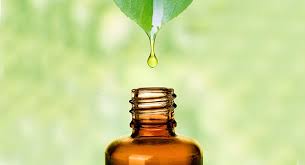
Natural oils have been used for centuries across different cultures as a remedy for skin health, beauty, and wellness. From ancient Egypt’s use of castor and almond oils to Ayurvedic traditions of coconut and sesame oils, these plant-based extracts have stood the test of time. In today’s beauty industry, natural oils are making a strong comeback, valued not only for their nourishing properties but also for their ability to provide clean, sustainable, and holistic skincare solutions. This article explores the benefits of natural oils, how to choose the right one for your skin type, and practical tips for incorporating them into your routine.
The Power of Natural Oils in Modern Skincare
Why Natural Oils Are Effective
Natural oils are rich in fatty acids, vitamins, and antioxidants that support skin barrier function, hydration, and repair. Unlike many synthetic moisturizers that simply sit on the skin, oils penetrate deeply, replenishing essential lipids that maintain elasticity and resilience.

For instance:
-
Argan oil is high in vitamin E and linoleic acid, helping reduce inflammation and promote healing.
-
Rosehip oil is packed with vitamin A, which supports cell turnover and improves uneven tone.
-
Coconut oil has antimicrobial properties, making it effective for soothing dryness while offering mild protection against bacteria.
These naturally occurring compounds work synergistically with the skin, enhancing radiance without unnecessary additives.
Matching Oils to Skin Types
Not all oils work for everyone. The key to success lies in choosing oils tailored to your skin’s needs.
-
Dry Skin
Rich oils such as avocado, almond, and olive oil are ideal. They provide deep moisture and strengthen the skin’s natural barrier. -
Oily or Acne-Prone Skin
Lightweight oils like jojoba and grapeseed are non-comedogenic, meaning they won’t clog pores. Their balancing properties help regulate excess sebum production. -
Sensitive Skin
Calendula or chamomile oils soothe irritation and reduce redness. Their anti-inflammatory effects make them suitable for delicate or reactive skin. -
Aging Skin
Rosehip and argan oils are powerful choices. With their antioxidants and collagen-boosting compounds, they help soften fine lines and restore firmness.
Understanding your skin type ensures that oils enhance rather than disrupt your skincare balance.
How to Incorporate Natural Oils into Your Routine
Integrating oils doesn’t mean replacing every product on your shelf. Instead, they can complement your existing regimen. Here are some simple ways to use them effectively:
-
As a Moisturizer: Apply a few drops of oil directly to damp skin after cleansing. This locks in hydration and gives a dewy finish.
-
Mix with Creams: Enhance your current moisturizer by blending in a drop or two of oil, especially during colder months when skin is prone to dryness.
-
For Cleansing: The “oil cleansing method” uses oils like jojoba or olive oil to dissolve makeup, dirt, and excess sebum without stripping the skin.
-
Targeted Treatments: Apply rosehip oil to scars or discoloration, or argan oil to fine lines around the eyes.
-
Body and Hair Care: Oils are not limited to facial use. Coconut and almond oil make excellent body moisturizers, while argan and castor oil nourish hair.
Consistency is key—using oils regularly allows your skin to adapt and reap long-term benefits.

Common Myths About Using Oils
Despite their popularity, natural oils are often misunderstood. Let’s clear up some misconceptions:
-
“Oils cause breakouts.” Not necessarily. The wrong oil may clog pores, but many lightweight, non-comedogenic oils actually reduce acne.
-
“All oils are greasy.” When used sparingly and applied correctly, most oils absorb quickly and leave only a subtle glow.
-
“Oils replace moisturizers.” Oils provide lipids, but they don’t hydrate in the same way water-based products do. Combining both ensures balanced care.
Tips for Safe Use
When introducing oils, it’s important to test for allergies. Perform a patch test by applying a small amount on your wrist or behind your ear. Also, opt for cold-pressed, organic oils whenever possible, as they retain maximum nutrients without chemical interference.
Avoid excessive use—two to three drops are usually enough for the entire face. Over-application may overwhelm the skin, especially if you are prone to oiliness.
The Future of Natural Oils in Beauty
With the rise of clean beauty movements, natural oils are at the forefront of sustainable skincare. Their versatility, minimal processing, and eco-friendly nature make them appealing alternatives to synthetic formulas. Many brands are now creating oil blends that combine traditional wisdom with modern research, delivering powerful results in elegant packaging.
Consumers today are also more conscious about transparency in ingredients. Oils with simple, one-ingredient formulas are gaining popularity for their authenticity and purity. This trend signals that natural oils will remain a strong force in skincare innovation.
Conclusion
Natural oils are more than just a passing trend; they are a timeless element of beauty rituals that continue to prove their worth in modern skincare. By choosing the right oil for your skin type and using it correctly, you can unlock a wide range of benefits—from improved hydration to enhanced radiance and long-term skin health. Whether you are battling dryness, aging concerns, or sensitivity, there is likely a natural oil perfectly suited to your needs.
Investing in these botanical treasures allows you to embrace a routine that is not only effective but also sustainable and rooted in nature.
More Stories from Health & Wellness

Health & Wellness Health News
Effective Stress Management Techniques for a Healthier Life

Health & Wellness Health News