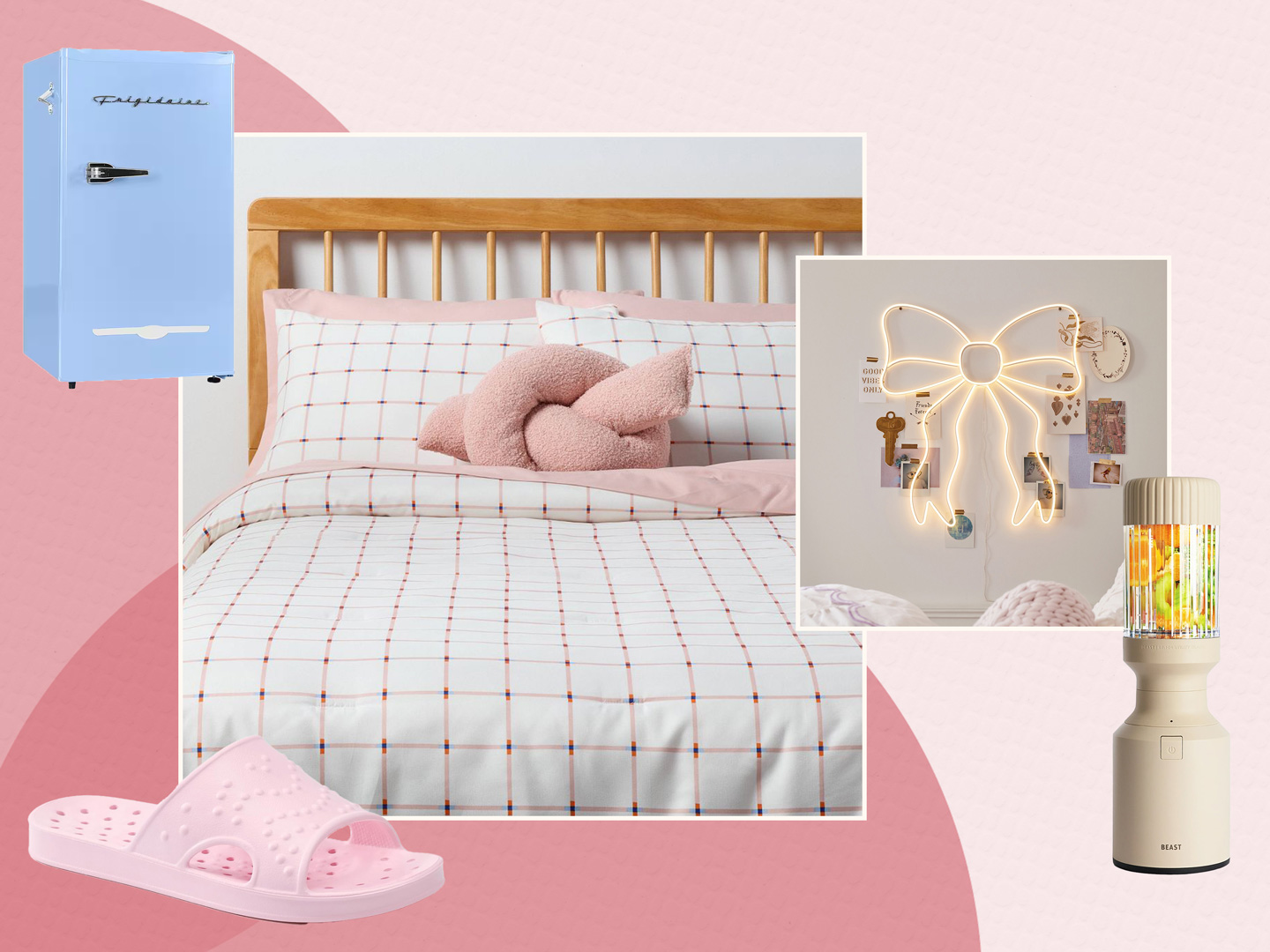


Impulse buying is one of the most common shopping habits that drains money and clutters homes. While occasional spontaneous purchases can bring joy, consistently buying without planning often leads to financial stress and regret. To shop smarter, consumers must cultivate intentional shopping habits that prioritize value, need, and long-term satisfaction.
How to Avoid Impulse Purchases and Shop with Intention
1. Recognize the Triggers of Impulse Buying
Understanding what drives your shopping habits is the first step. Retailers use bright displays, discounts, and limited-time offers to spark urgency. Emotional states—such as stress, boredom, or excitement—also make people more vulnerable to unplanned spending. By identifying your personal triggers, you can develop strategies to resist them.

2. Make a Rule to Wait Before Buying
One effective method is the “24-hour rule.” Whenever you feel tempted to buy something non-essential, wait at least a day before making the purchase. This cooling-off period helps determine whether the item is truly necessary or just a fleeting desire.
3. Shop with a List and Purpose
Always prepare a shopping list and stick to it. The list acts as a safeguard, ensuring your attention remains on what you genuinely need. Shopping without a clear purpose is a recipe for overspending.
4. Set Monthly Limits for Non-Essentials
Instead of restricting all discretionary spending, allocate a specific budget for “wants.” This way, you can still enjoy small luxuries without guilt. Over time, this builds discipline while allowing space for enjoyment.
5. Avoid Shopping When Emotional
Emotional shopping is often irrational. If you’re stressed, tired, or hungry, postpone your shopping trip. Instead, engage in activities like exercising, journaling, or calling a friend until you feel more balanced.
6. Be Critical of Discounts
Sales are designed to encourage impulsive decisions. Before buying, ask yourself: “Would I pay full price for this item?” If the answer is no, it may not be worth the purchase even at a discount.

7. Focus on Long-Term Value
Shift your mindset from instant gratification to long-term benefit. Consider durability, usefulness, and whether the product will enhance your lifestyle. This approach makes every purchase more meaningful.
Conclusion
Avoiding impulse shopping requires mindfulness, planning, and discipline. By recognizing triggers, applying waiting rules, and aligning spending with true needs, consumers can reclaim control over their finances. Shopping with intention turns the experience into a source of satisfaction rather than regret.
More Stories from Shopping


Fashion Shopping