


Entertainment has always evolved with technology. Just as cinema revolutionized storytelling and television brought shared experiences into living rooms, esports—competitive video gaming—has emerged as the newest frontier in global entertainment. Once dismissed as a niche pastime, esports has grown into a multi-billion-dollar industry, attracting massive audiences, lucrative sponsorships, and mainstream recognition. Today, esports is not just about gaming; it represents a cultural shift, a business phenomenon, and a new way for people around the world to connect.
The Rise of Esports as a Global Entertainment Powerhouse
The Growth of Competitive Gaming
The origins of esports date back to small tournaments in arcades and local communities. In the early 2000s, as internet connectivity improved, competitive gaming expanded into online multiplayer competitions, drawing dedicated fan bases. Games like StarCraft in South Korea and Counter-Strike in Europe helped establish the competitive foundations of esports.
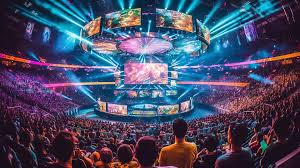
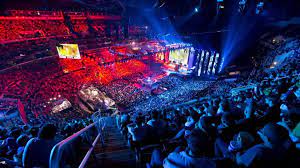
The real explosion came with live-streaming platforms such as Twitch, YouTube Gaming, and Facebook Live. Suddenly, millions of fans could watch professional players compete in real time, just as they would tune in to a traditional sports broadcast. Today, esports tournaments fill arenas, with events like the League of Legends World Championship or The International for Dota 2 attracting viewership that rivals major sporting events such as the Super Bowl.
A Billion-Dollar Industry
Esports is no longer just a cultural trend—it is a thriving business. According to industry reports, the global esports market has surpassed $1 billion annually, with revenue streams from sponsorships, advertising, ticket sales, broadcasting rights, and merchandise. Major corporations, including tech giants, beverage brands, and even traditional sports franchises, have invested heavily in esports teams and events.
Franchised leagues, such as the Overwatch League and the Call of Duty League, mirror professional sports organizations, complete with team ownership, structured schedules, and city-based branding. This professionalization has helped legitimize esports, making it attractive to investors and sponsors who see long-term potential in its growth.
The Audience and Demographics
One of the key drivers of esports’ success is its audience. Unlike traditional sports, which often appeal to older demographics, esports resonates strongly with younger generations. Millennials and Gen Z, who grew up with video games as part of their daily lives, are now fueling the demand for competitive gaming content.
Esports is also uniquely global. While certain sports are region-specific, esports transcends borders. A tournament may feature players from Asia, Europe, and North America competing on the same stage, watched by fans around the world. This global accessibility makes esports an inclusive form of entertainment, breaking down geographical and cultural barriers.
Esports and Traditional Sports
Interestingly, esports has adopted many of the structures and traditions of traditional sports. Professional players train for hours each day, supported by coaches, analysts, and nutritionists. Teams compete in leagues, championships, and seasonal tournaments, while fans buy jerseys, attend events, and passionately follow their favorite players.
The crossover between sports and esports is growing stronger. Traditional sports organizations such as the NBA, NFL, and European football clubs have invested in esports teams or partnered with gaming companies. Some universities now offer esports scholarships, recognizing competitive gaming as a legitimate pursuit of talent and discipline.
Cultural Impact and New Icons
Esports has created a new generation of cultural icons. Professional gamers, once considered outsiders, now command millions of followers on streaming platforms. Personalities such as Faker in League of Legends or Ninja in Fortnite have become household names, influencing not only gaming culture but also fashion, music, and digital trends.
The impact of esports extends into entertainment beyond gaming. Collaborations between artists, brands, and esports organizations have blurred the lines between music, sports, and digital culture. Virtual concerts within games, brand sponsorships, and crossover events highlight how esports is redefining the boundaries of entertainment.
Challenges Facing Esports
Despite its rapid rise, esports faces challenges. Concerns about player health and well-being are growing, as professional gamers often spend long hours practicing, which can lead to physical strain and mental fatigue. The industry also lacks standardized regulations, leading to issues related to contracts, player rights, and competitive integrity.
Monetization remains another challenge. While viewership numbers are massive, translating this into consistent revenue streams comparable to traditional sports requires continued innovation. Additionally, debates persist about whether esports should be included in global sporting events such as the Olympics, raising questions about legitimacy and cultural acceptance.
The Future of Esports
Looking ahead, the future of esports is bright. Emerging technologies such as virtual reality (VR) and augmented reality (AR) are poised to enhance the gaming experience, making competitions more immersive for both players and fans. As 5G and advanced streaming technologies become widespread, accessibility will further improve, bringing esports to even larger global audiences.
Integration with traditional entertainment industries will likely deepen. Esports may expand into mainstream television programming, documentaries, or even cinematic adaptations of iconic tournaments and players. The potential for crossover events—combining live music, gaming, and interactive storytelling—shows how esports could push the boundaries of what entertainment can be.
Conclusion
Esports has grown from grassroots competitions to a global powerhouse in less than two decades. It embodies the digital age’s spirit of innovation, connectivity, and cultural transformation. By combining competitive gameplay, mass audiences, and a thriving business ecosystem, esports has secured its place as a central pillar of modern entertainment.
While challenges remain in areas like regulation, sustainability, and player health, the trajectory of esports is undeniable. It is no longer just about gaming—it is about community, creativity, and the future of global entertainment. As technology evolves and audiences continue to expand, esports is set to redefine the entertainment landscape for generations to come.
More Stories from Entertainment

Entertainment
Music Festivals: More Than Just Entertainment


Books & Music Celebrities Culture Entertainment News TV & Movies
Dear School Administrators: Our Phones Are Lifelines, Not Just Distractions
Books & Music Celebrities Culture Entertainment News TV & Movies
Dear School Administrators: Our Phones Are Lifelines, Not Just Distractions
Books & Music Celebrities Culture Entertainment News TV & Movies