


Music has always been a universal language, bringing people together across cultures and generations. While concerts and live performances have long been at the heart of musical expression, the rise of music festivals has taken the experience to a new dimension. Festivals are no longer just about watching artists perform; they have become cultural landmarks, economic drivers, and social experiences that leave lasting impressions on attendees. From Coachella in the United States to Glastonbury in the United Kingdom and Tomorrowland in Belgium, music festivals today represent more than entertainment—they symbolize community, creativity, and shared identity.
Music Festivals: More Than Just Entertainment
A Platform for Artists
For musicians, music festivals provide opportunities that extend beyond the stage. Established artists often use these events to launch new material, experiment with different styles, or collaborate with peers in front of live audiences. For emerging performers, festivals can serve as a breakthrough moment. Performing at a festival with thousands of attendees, alongside globally recognized headliners, offers exposure that would otherwise take years to achieve.
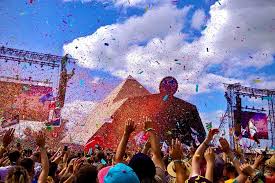
Festivals also allow artists to connect with fans in a unique way. Unlike traditional concerts, where the focus is solely on performance, festival environments encourage interaction. Artists frequently engage with audiences through workshops, meet-and-greet sessions, or even spontaneous acoustic sets. These experiences build stronger bonds between performers and fans, enhancing loyalty and fostering long-term careers.
Cultural Significance
Each music festival tells a story of culture and values. Woodstock in 1969 is remembered not only for its legendary performances but also for its role as a symbol of the counterculture movement and the demand for peace and freedom. Glastonbury, beyond being one of the largest festivals in the world, has consistently promoted sustainability, activism, and artistic diversity. Burning Man, though not a traditional music festival, integrates art, performance, and radical self-expression in ways that challenge cultural norms.
This cultural dimension is one reason why festivals often leave legacies far beyond the music. They become snapshots of history, reflecting the political climate, social trends, and artistic innovations of their time. For attendees, participating in a festival is often about being part of something bigger than themselves—a movement, a cause, or a moment in history.
Economic Impact and Tourism
The economic influence of music festivals cannot be underestimated. These events generate millions of dollars for local economies by attracting tourists, creating seasonal jobs, and supporting businesses such as hotels, restaurants, and transportation services.
Take Coachella, for example. It reportedly generates more than $100 million in revenue annually, much of which directly benefits the local community. Similarly, large-scale festivals in Europe often attract international audiences who spend not just on tickets but also on accommodations, dining, and cultural tourism. This economic boost makes festivals an essential part of the creative economy, demonstrating how art and culture can drive financial growth.
The Social Experience
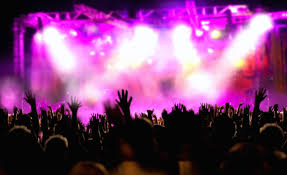
Perhaps the most defining feature of music festivals is the sense of community they foster. Attendees often describe festivals as transformative experiences because they involve more than just watching performances. Camping under the stars, dancing with strangers, sharing meals, and celebrating music together create bonds that transcend cultural or linguistic differences.
This collective energy is what makes festivals unique. In a world increasingly dominated by digital connections, festivals remind us of the power of physical gatherings. The atmosphere of thousands singing along to the same song or swaying to the same rhythm creates a sense of belonging and unity. For many, these moments become cherished memories that define their youth or mark milestones in their personal lives.
Challenges and Sustainability
Despite their many positives, festivals are not without challenges. Environmental sustainability is a pressing concern. Large gatherings produce significant waste, carbon emissions, and strain on local infrastructure. In response, many festivals are adopting eco-friendly practices such as banning single-use plastics, introducing reusable cup systems, encouraging carpooling, and even powering stages with renewable energy.
Accessibility and inclusivity also remain important issues. High ticket prices can make festivals inaccessible to certain audiences, while concerns about safety and inclusivity for marginalized groups highlight the need for organizers to take a proactive role in creating welcoming environments. By addressing these challenges, festivals can ensure they remain spaces of joy, equality, and cultural enrichment.
The Digital Dimension
Interestingly, the rise of digital technology has also influenced festivals. Live-streaming services now allow fans who cannot attend in person to experience performances virtually. Social media amplifies the cultural impact of festivals, turning them into global conversations as images, videos, and highlights circulate worldwide. While some argue this diminishes the intimacy of the live experience, it also expands accessibility, allowing millions more to share in the energy of the event.
Conclusion
Music festivals are far more than entertainment events; they are cultural, economic, and social phenomena that shape how we experience music and human connection. They serve as platforms for artists, engines of local economies, and spaces for cultural expression. Most importantly, they remind us of the joy of collective experience in a world where individualism often dominates.
As festivals continue to evolve, their focus on sustainability, inclusivity, and innovation will determine their lasting impact. Whether through massive gatherings like Coachella or intimate local celebrations, music festivals will remain essential in weaving the fabric of modern entertainment and society.
More Stories from Entertainment
Entertainment Entertainment News
The Rise of Esports as a Global Entertainment Powerhouse


Books & Music Celebrities Culture Entertainment News TV & Movies
Dear School Administrators: Our Phones Are Lifelines, Not Just Distractions
Books & Music Celebrities Culture Entertainment News TV & Movies
Dear School Administrators: Our Phones Are Lifelines, Not Just Distractions
Books & Music Celebrities Culture Entertainment News TV & Movies